Guestbook Entry for Kashif Bootwala, United States
Name
Kashif Bootwala
Country
United States
State
CA

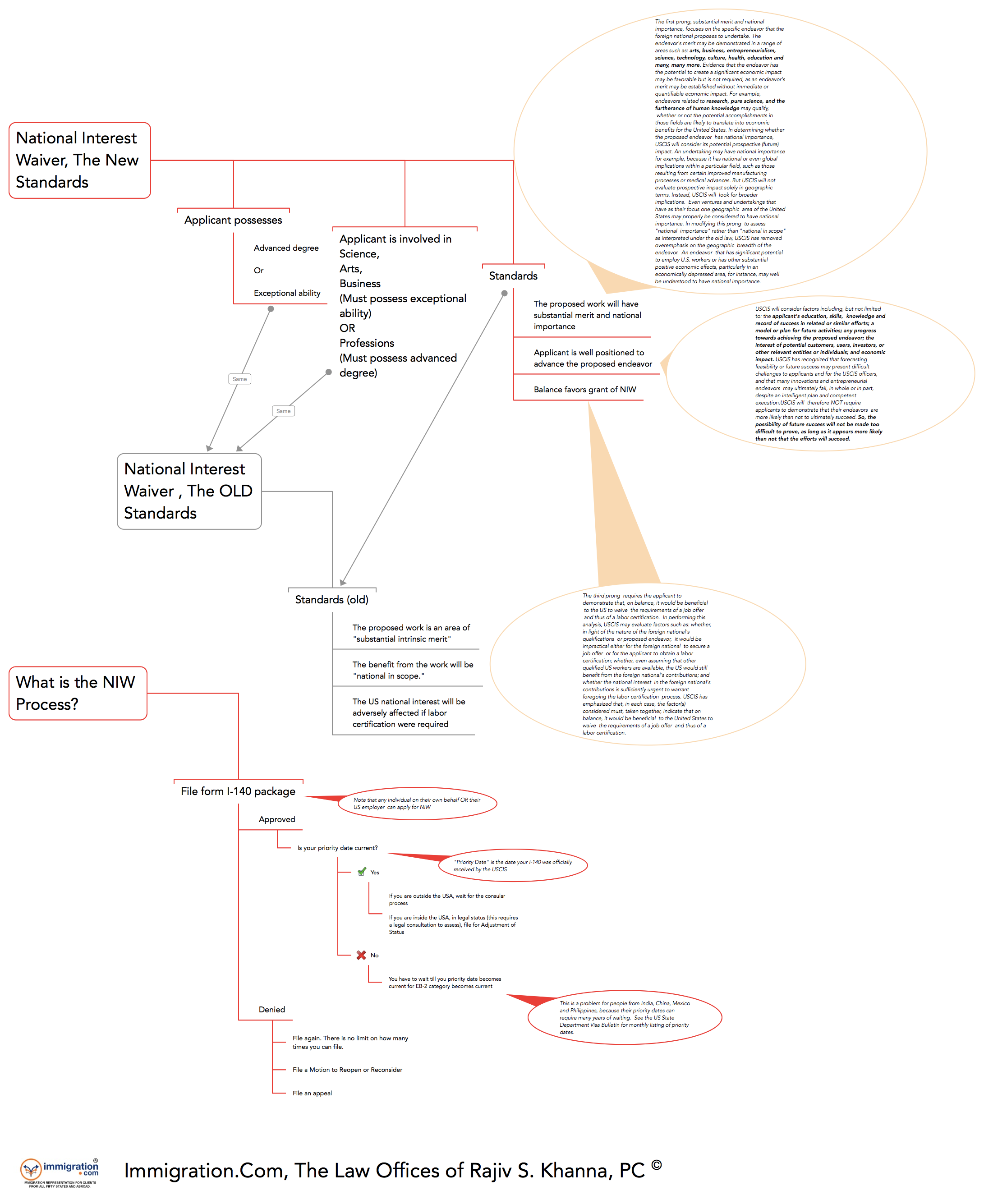
Green Card for Physicians
Overview
Physicians seeking a permanent employment opportunity in the United States and employers seeking to sponsor a physician for lawful permanent residency based on permanent employment in the United States must go through a multi-step process:
Foreign nationals and employers must determine whether the foreign national is eligible for lawful permanent residency under one of several, acceptable paths to lawful permanent residency.
US Work and Immigration Options for Foreign Professionals

U.S. Citizenship and Immigration Services announced today that starting Monday, June 26, the agency will resume premium processing for all H-1B petitions filed for medical doctors under the Conrad 30 Waiver program, as well as interested government agency waivers.
We assisted in the filing of an H-1B petition for a newly established company in the healthcare industry for a computer and information systems manager. We received a request for evidence (RFE), asking for details about the employer and questioning the employee’s qualifications. Oddly, the RFE specifically questioned the credentials of the professor, who had assessed the employee’s educational background and experiential qualifications.
We filed an H-1B extension for a specialized medical practice on behalf of a physician who had completed a fellowship in this specialty. We subsequently received a Request for Evidence questioning whether his position satisfied the requirements for a specialty occupation and questioning his current immigration status.
E Visa company registrations - It is advisable for “E” visa companies to update “registration” files at post every year although there is no specific regulation.
Following-to-Join for adjustment cases - An applicant who is the principal alien and whose spouse or child now needs to follow to join can now continue to deal directly with posts in paths:
1
. Immigrant visa at the same post as the one where the following-to-join will process;
We have recently won a case for a physician working in several rural clinics as well as his private practice within a medically underserved area. We were retained following a denial of the I-140 petition for NIW. We filed an appeal as well as an amended (new) I-140 application to show that the physician had met the 5-year service requirements for an NIW. The applicant had moved from one medically underserved area to another while the original I-140 was pending. The issue was whether an “amendment” could have been filed in this case to notify USCIS of the move without an approved I-140.
We won this case based on the applicant's critical role in a key U.S. Air Force project. His level of expertise in this specialized field was highly sought after and necessary to achieve the military's objectives. We provided letters from experts in the Air Force stressing their need to keep the applicant on the project or else it would fail.